How to prevent frozen pipes in Decatur this winter
Decatur winters bring enough hard freezes to burst unprotected pipes. Here is how to prevent frozen pipes in Decatur this winter, what repairs cost in 2026, and when to call us.
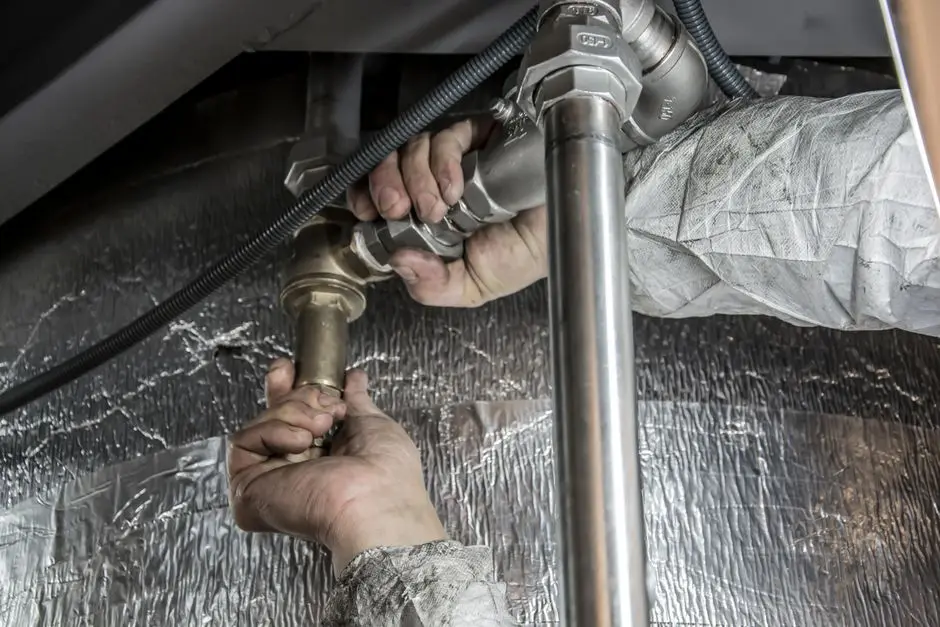
You prevent frozen pipes in Decatur by keeping every exposed pipe above 32°F: insulate pipes in crawlspaces, garages, and exterior walls, seal the vents and gaps that let cold air reach them, drip the faucets that sit on exterior walls, and disconnect garden hoses before the first hard freeze. Decatur sees enough nights in the low 20s and teens between December and early March that unprotected pipes in older homes will freeze at least once if you do nothing. This guide covers the exact steps we run on Decatur homes, what a frozen pipe repair costs in 2026, and the mistakes that turn a frozen pipe into a flooded floor.
Why Decatur pipes freeze more than you would expect
Decatur pipes freeze because the homes here were built for shade and mild winters, not for the 18°F nights we get in January. Most of the housing stock in Downtown Decatur, Old Decatur, and Winnona Park dates to the 1920s through the 1960s, and builders ran supply lines through unheated crawlspaces and along exterior walls with little or no insulation. A pipe in a vented crawlspace sits within a few degrees of the outdoor air temperature. When Decatur drops to 20°F at 3 a.m., that pipe is at 20°F.
Wind matters as much as temperature. A 15 mph wind pulling through a crawlspace foundation vent can freeze a pipe at 28°F outdoor temperature. That is why we see more burst pipes after a windy 28°F night than after a still 22°F night.
If you own a home in Old Decatur, check the crawlspace first. The pier-and-beam foundations common there leave long runs of copper and galvanized pipe fully exposed to moving cold air.
How do I prevent frozen pipes in Decatur GA?
You prevent frozen pipes in Decatur GA by addressing the four places cold air reaches your plumbing: crawlspaces, exterior walls, garages, and hose bibs. Work through these in order of impact.
- Insulate every exposed pipe. Foam pipe sleeves cost about $2 to $4 per six-foot section at any Decatur hardware store. Wrap supply lines in the crawlspace, under vanities on exterior walls, and in the garage. For pipes that see direct wind, use self-sealing foam sleeves plus fiberglass wrap.
- Seal foundation vents and gaps. Close the crawlspace vents for winter or cover them with rigid foam board. Seal the gaps around where pipes pass through the foundation sill with expanding foam.
- Disconnect and drain garden hoses. A hose left connected traps water in the sillcock, and that is the single most common freeze point we repair each winter.
- Insulate the water heater and any pipes in the attic. Attic runs are rare here but do exist in newer builds near Emory Heights.
- Keep cabinet doors open under exterior-wall sinks during hard freezes so warm indoor air reaches the pipes.
If your pipes are old galvanized steel, insulation helps but the real fix is replacement. Galvanized pipe corrodes from the inside, and a corroded pipe splits far more easily when it freezes. We handle pipe repair Decatur GA calls every winter where the freeze just finished off a pipe that was already weak.
Should I drip faucets in Decatur winter?
Yes. Drip the faucets on exterior walls whenever the overnight low is forecast below 28°F in Decatur. A slow drip the width of a pencil lead keeps water moving through the pipe, and moving water takes far longer to freeze than still water. It also gives the expanding ice somewhere to push instead of splitting the pipe.
Drip the faucet farthest from where the water main enters the house, and drip both hot and cold sides if the faucet has two handles. You do not need to drip every faucet. Focus on sinks on exterior walls, the kitchen sink if it sits under a window, and any bathroom over a crawlspace.
The cost is small. A pencil-lead drip on one faucet uses roughly 2 to 3 gallons over an eight-hour night, which is a few cents on a Decatur Water bill. Compare that to a $600 to $1,800 repair for a burst pipe, and the drip is the cheapest insurance you can buy.
Winterize pipes Decatur GA: the checklist we actually use
Winterize pipes in Decatur GA before the first hard freeze, which in a typical year means the first or second week of December. Here is the checklist our technicians run on Decatur homes.
- Walk the crawlspace and insulate every exposed supply line.
- Close or cover foundation vents.
- Disconnect hoses and drain sillcocks.
- Insulate the backflow preventer if you have an irrigation system.
- Set the thermostat no lower than 55°F, even when you travel.
- Open cabinet doors under exterior-wall sinks during freezes.
- Locate your main shut-off valve and tag it so anyone in the house can find it fast.
- Check that your water heater is set to 120°F and the pipes above it are insulated.
If you are heading out of town for the holidays, do not just turn the heat down. Keep it at 55°F minimum. We get at least a few calls each January from homeowners who came back from a trip to a flooded house because the heat was set to 50°F and a cold snap pushed the crawlspace below freezing.
If your home has a backflow preventer on the irrigation line, that device is a freeze magnet. We test and winterize those as part of our backflow prevention and testing Decatur GA service.
What to do if pipes freeze in Decatur Georgia
If pipes freeze in Decatur Georgia, shut off the main water valve first, then thaw the pipe slowly with a hair dryer, heat lamp, or wrapped towels soaked in hot water. Do not use an open flame, and do not pour boiling water directly on a frozen pipe. Copper and PVC both crack from sudden temperature shock.
Start thawing at the faucet end and work back toward the frozen section. As ice melts, water and then steam will come out of the open faucet. If you turn on the faucet and get nothing, the freeze is between the faucet and the main. If you get a trickle that stops, the freeze is further down the line.
Watch for these signs that a pipe has already split:
- Water staining on drywall or ceiling below a bathroom or kitchen.
- A sudden drop in water pressure at every fixture.
- The sound of running water when nothing is on.
- A water meter that keeps spinning with all fixtures off.
If you see any of those, shut the main off and call us. A split pipe can release hundreds of gallons before you notice the puddle. Our emergency plumbing services Decatur GA team handles frozen and burst pipe calls around the clock.
How much does frozen pipe repair cost in Decatur GA?
Frozen pipe repair in Decatur GA runs $250 to $600 for a single accessible pipe in 2026, and $800 to $2,500 or more when the pipe is inside a wall, under a slab, or has already caused water damage. The wide range comes down to access and damage, not the pipe itself.
Here is what drives the number:
- Accessible pipe in a crawlspace or basement: $250 to $600. We cut out the split section, sweat in a new piece of copper or PEX, and pressure-test the line.
- Pipe inside a finished wall: $600 to $1,400. Drywall has to come out, the pipe gets repaired, and you handle the drywall patch afterward.
- Pipe under a slab: $1,500 to $4,000. This usually means rerouting the line through the attic or a wall rather than breaking the slab.
- Water damage on top of the repair: add $500 to $5,000 depending on how long the leak ran and what it soaked.
Most frozen pipe repairs we do in Decatur are done in two to four hours once we have access. If the pipe is behind drywall, plan on the repair taking a full day and the drywall work a few days after that.
One number worth knowing: a burst pipe can release 4 to 8 gallons per minute. Ten minutes of an unnoticed burst is 40 to 80 gallons into your floors and framing. That is why we push prevention so hard.
Common mistakes we see every January
The mistakes that cause the most damage are the ones homeowners make in the first hour after a pipe freezes.
- Using a torch or heat gun on a frozen pipe. You will melt a solder joint or ignite framing. A hair dryer on low is plenty.
- Leaving the main valve on while thawing. If the pipe already split, you are feeding the leak. Shut the main first.
- Pouring boiling water on the pipe. Thermal shock cracks copper and PVC. Use warm water and patience.
- Assuming the pipe is fine because water started flowing again. A split pipe can hold together until pressure builds, then let go hours later. Watch for damp spots for 48 hours.
- Setting the thermostat below 55°F while traveling. The savings are not worth a flooded house.
- Skipping the crawlspace. Out of sight, out of mind, and the most common freeze location in Decatur homes.
If you are not sure whether a pipe is frozen or just has low pressure, call us and we will walk you through it. Diagnosing it wrong is how a $300 repair becomes a $6,000 insurance claim.
When to call a professional
Call a professional when the frozen pipe is inside a wall, under a slab, or anywhere you cannot see it. Also call us if you have already shut the main off and cannot find the freeze point, if you see water staining, or if your home has galvanized or polybutylene pipe that is prone to splitting.
We handle frozen pipe repair across Decatur, including Winnona Park and the older homes around the city where crawlspace plumbing is the norm. Our technicians carry copper, PEX, and the fittings to repair most freezes on the first visit.
If your pipes freeze every winter no matter what you do, the underlying problem is usually the pipe itself. Galvanized steel and old polybutylene lines fail in cold weather. We can evaluate whether repiping Decatur GA makes more sense than another season of repairs.
Frequently Asked Questions
How do I prevent frozen pipes in Decatur GA?
Insulate exposed pipes in crawlspaces and garages, seal foundation vents, disconnect garden hoses, and drip faucets on exterior walls when the overnight low drops below 28°F. Keep your thermostat at 55°F or higher even when you are away. These steps cover 90% of the freeze risk in Decatur homes.
What to do if pipes freeze in Decatur Georgia?
Shut off the main water valve, then thaw the pipe slowly with a hair dryer or warm towels, starting at the faucet end. Never use a torch or boiling water. If you see water staining or cannot find the freeze point within 30 minutes, call a plumber.
How much does frozen pipe repair cost in Decatur GA?
Expect $250 to $600 for an accessible pipe in 2026, $600 to $1,400 for a pipe inside a finished wall, and $1,500 to $4,000 if the line runs under a slab. Water damage adds $500 to $5,000 on top of the repair.
Should I drip faucets in Decatur winter?
Yes, whenever the overnight low is forecast below 28°F. Drip the faucet farthest from where the main enters the house, and drip both hot and cold sides. A pencil-lead drip uses 2 to 3 gallons overnight and costs just a few cents.
How long does it take for a pipe to freeze at 20°F?
An uninsulated pipe in a vented crawlspace can freeze in 4 to 6 hours at 20°F, faster with wind. That is why overnight freezes are the ones that catch homeowners off guard. Drip faucets and open cabinet doors before you go to bed.
Get help with Plumber in Decatur
If a pipe has already frozen or burst, call us now at +1 888-721-1338. We handle frozen pipe repair and burst pipe emergencies across Decatur, and we will shut off the water, find the split, and get the line repaired before it causes more damage.