When to Schedule Water Heater Maintenance in Decatur
Fall is the best time to schedule water heater maintenance in Decatur. Here's the annual timing, costs, and what a proper flush actually includes.
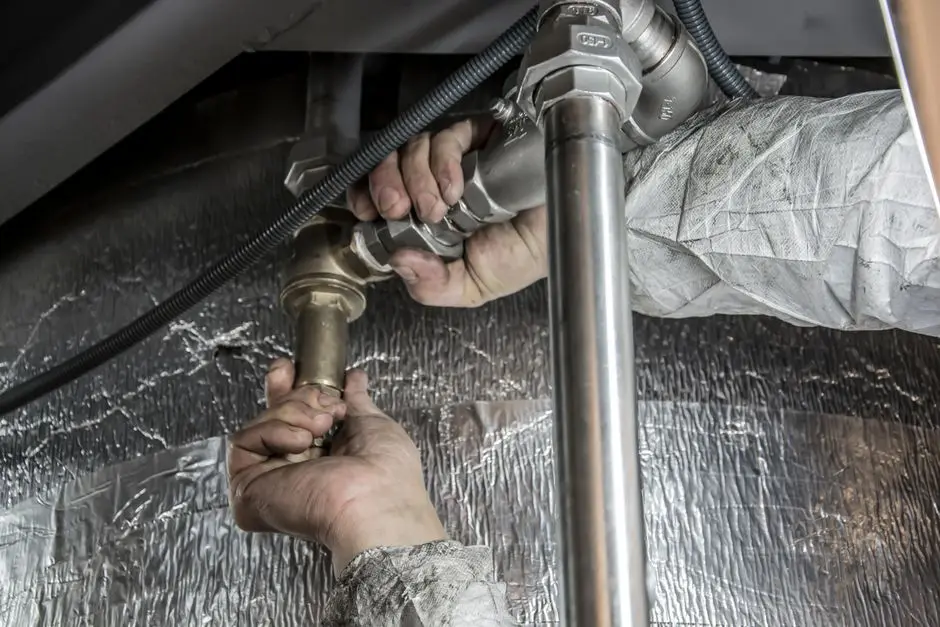
Schedule water heater maintenance in Decatur once a year, and the best window is late September through November, before the first cold snap drives every failed unit to the front of the repair queue. If your tank is more than five years old and has never been flushed, book it now rather than waiting for spring.
That single timing decision is what this post is about. Below we cover why fall beats every other season here, what a real tune-up includes, what it costs in 2026, and the mistakes we see on Decatur water heaters every week.
The Short Answer: Book It in Fall, Every 12 Months
Water heater maintenance in Decatur GA is a scheduled service that flushes sediment from the tank, tests the anode rod, checks the T&P valve, and verifies the heating elements or burner, and it needs to happen once every 12 months. Twelve months is not a marketing number. It is the interval at which sediment buildup in Decatur's water supply starts to noticeably cut efficiency and shorten tank life.
We tell customers to pick a month and stick with it. September, October, and November are the easiest months to remember because the weather turns and you start thinking about hot water again. If you miss that window, February or March works fine. What matters is the 12-month gap, not the calendar page.
For most Decatur homes, a standard tank flush and inspection takes 60 to 90 minutes. Tankless units run 90 minutes to two hours because descaling takes longer than a gravity flush.
Why Fall Beats Every Other Season in Decatur
Decatur's water is moderately hard, and that is the whole story behind fall timing. Our water carries dissolved calcium and magnesium that precipitates out as scale when it is heated. Every degree of temperature rise drops more of it onto the tank floor and the heating elements.
Through summer, your water heater is working less. Through winter, it works hardest. Fall is the natural pause between those two cycles, which makes it the ideal moment to clear out a summer's worth of sediment before the heavy months hit.
There is a second reason. The first genuinely cold morning in Decatur, usually somewhere between late November and mid-December, is when we get the most no-hot-water calls of the year. A tank that has been quietly scaling up for 18 months often picks that morning to quit. Servicing in October means you find the failing element or the corroded anode rod while it is still a maintenance item, not an emergency.
Homes in older Decatur neighborhoods like Winnona Park tend to have the oldest tanks and the most sediment, simply because the housing stock dates to the 1920s through the 1950s and many of those tanks have been in place longer than the owners realize. If you are in a 1940s bungalow and cannot remember the last flush, assume it has never happened.
How Often Should a Water Heater Be Serviced in Decatur, GA?
Once every 12 months for a standard tank, and once every 12 months for a tankless unit as well, though tankless descaling is more critical because scale builds directly on the heat exchanger. There is no version of a water heater in Decatur that should go two years without service.
There are a few situations where we shorten that interval:
- Homes with a water softener: still annual, but the flush is lighter because the softener has already pulled most of the hardness out.
- Homes without a softener on Decatur city water: annual, and we sometimes recommend a six-month flush on tanks over 10 years old.
- Tankless units: annual descaling. In hard-water conditions, some manufacturers specify every six to nine months.
- Any tank past year 10: annual service plus a real conversation about replacement, because the average tank lifespan is 8 to 12 years.
If you are not sure whether your unit is tank or tankless, or whether it has ever been serviced, the fastest path is a water heater repair Decatur GA visit that doubles as a first inspection. We check the age sticker, the anode rod, and the bottom of the tank, and tell you honestly whether you are looking at maintenance or replacement.
What Does Water Heater Maintenance Include in Decatur, GA?
A proper water heater tune up Decatur covers six things, and if a quote only mentions "a flush," ask what else is on the list.
- Full tank flush. We shut off the gas or power, connect a hose to the drain valve, and run the tank until the water comes out clear instead of rusty or gritty.
- Anode rod inspection. The sacrificial rod is what keeps the steel tank from rusting from the inside. Once it is more than 50 percent consumed, it needs replacing. This is the single cheapest way to add years to a tank.
- T&P valve test. The temperature and pressure relief valve is a safety device. We lift the lever and confirm it reseats and discharges properly.
- Heating element or burner check. On electric tanks we test the elements and thermostats. On gas, we inspect the burner, thermocouple, and flue for soot or blockage.
- Sediment and scale assessment. We note how much came out and how hard it was, which tells us whether your water is harder than typical for the area.
- Pressure and leak check. We look at the fittings, the drain valve, and the supply lines for weeping or corrosion.
On tankless units, the service swaps the flush for a descaling cycle using a pump and a vinegar-based solution, then we clean the inlet filter screen and check the venting.
How Much Does Water Heater Maintenance Cost in Decatur, Georgia?
Typical 2026 pricing in this area runs $150 to $250 for a standard tank flush and inspection, and $200 to $350 for a tankless descaling service. Anode rod replacement usually adds $50 to $120 for the part and labor, depending on tank height and access.
Compare that to the alternative. A failed tank replacement runs $1,200 to $2,500 installed, and an emergency call on a Sunday morning costs more than the same job on a Tuesday. Annual maintenance is the cheapest insurance you can buy on a piece of equipment that runs every day.
If your unit is a tankless model and you have never had it descaled, that is a different service with different parts, and you can read about it under tankless water heater maintenance Decatur. Tankless units fail from scale far more often than from mechanical breakdown, and the fix is almost always a proper descale rather than a new unit.
Can I Flush My Own Water Heater in Decatur?
Yes, a basic drain-and-refill is a reasonable DIY job if your tank has a working drain valve, you have a hose that reaches a floor drain or outside, and you are comfortable working around 120 to 140 degree water. The process is straightforward: kill the power or gas, shut the cold inlet, attach a hose to the drain valve, open a hot tap upstairs to break the vacuum, and drain until the water runs clear.
What most homeowners cannot do at home is the rest of the list. Testing a T&P valve, judging anode rod wear, checking element resistance with a multimeter, and inspecting a gas burner or flue are all jobs that need tools and, in the case of gas, a licensed hand. A DIY flush also does nothing about the scale bonded to the tank floor, which is the part that actually kills tanks.
There is one more thing worth knowing. If your drain valve has not been opened in five years, there is a real chance it will not reseat after you close it, and you will be calling us anyway with a leaking tank. We see this most often on units in Midway Woods and other neighborhoods where the tank sits in a tight closet with no pan and no easy hose route.
Common Mistakes We See on Decatur Water Heaters
The most expensive mistake is waiting for a symptom. By the time you hear popping or see rusty hot water, the tank has usually been scaling up for two or three years, and the damage to the glass lining is already done.
Other things we run into constantly:
- Turning the thermostat up to compensate for low hot water. That is a sediment symptom, not a temperature problem. Raising the setting accelerates scale buildup and scalds risk.
- Skipping the anode rod. A $50 rod can add three to five years to a tank. Almost nobody replaces them until the tank leaks.
- Ignoring the expansion tank. On a closed system, a failed expansion tank stresses the T&P valve and the tank itself.
- Never checking the pan and drain. A slow weep from the drain valve or a fitting can run for months before it shows up as a stained ceiling.
- Letting a tankless unit run without descaling. Scale on a heat exchanger causes error codes, fluctuating temperature, and eventually a cracked exchanger.
If you notice any of these and want a straight answer on the condition of your unit, we handle full residential plumbing services Decatur GA and can fold a water heater inspection into a broader look at the house.
When to Call a Professional
Call us if your tank is over eight years old, if you have never had it serviced, if the water smells metallic or looks rusty, if you hear rumbling or popping, or if there is any moisture around the base of the unit. Those are the signals that turn a $200 maintenance visit into a $2,000 replacement if you wait.
Plumber In Decatur GA handles water heater maintenance, repair, and replacement across Decatur and the surrounding neighborhoods, and we will tell you plainly whether your unit is worth servicing or better off replaced. We work on both tank and tankless systems and stock common anode rods and elements on the truck.
One more timing note. If you are reading this in November, you are in the right window. Book the service now and you will have a clean tank heading into the coldest months, when a failure costs the most and takes the longest to fix.
Frequently Asked Questions
How often should a water heater be serviced in Decatur, GA?
Once every 12 months. Decatur's moderately hard water deposits scale faster than soft-water areas, so annual flushing is the minimum. Tanks over 10 years old and tankless units in hard-water homes sometimes need service every six to nine months.
How much does water heater maintenance cost in Decatur, Georgia?
Expect $150 to $250 for a standard tank flush and inspection, and $200 to $350 for tankless descaling, based on 2026 pricing in this area. Anode rod replacement typically adds $50 to $120. That compares to $1,200 to $2,500 for a full tank replacement.
What does water heater maintenance include in Decatur, GA?
A full tank flush, anode rod inspection, T&P valve test, heating element or burner check, sediment assessment, and a leak and pressure check on the fittings and supply lines. Tankless service swaps the flush for a descaling cycle and filter cleaning.
Can I flush my own water heater in Decatur?
Yes, if the drain valve works and you can route a hose to a drain. But a DIY flush does not test the T&P valve, assess the anode rod, or remove bonded scale from the tank floor. If the drain valve has not been opened in years, it may not reseat.
What is the best month to schedule water heater maintenance in Decatur?
September through November. It is the pause between low summer demand and the heavy winter stretch, and it puts you ahead of the no-hot-water calls that spike on the first cold mornings in late November and December.
Get Help with Plumber in Decatur
If your water heater is due, overdue, or making noises you do not like, we can get it serviced before the cold settles in. Call Plumber In Decatur GA at +18887211338 and we will schedule your annual flush and inspection.